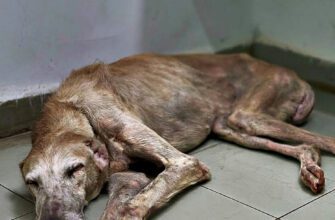
Deep in the forest, a dog was found tied to a tree—his name was Bento. Abandoned and isolated, he had no access to food or water for a long time, forcing him to fight for every breath under the scorching sun by day and the relentless rain by night.
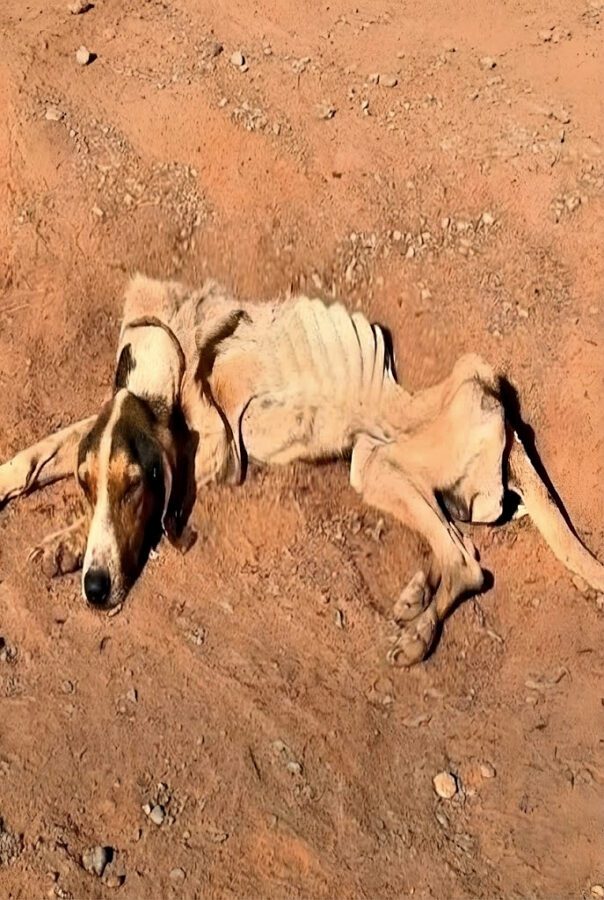
The extreme conditions forced Bent to desperate measures—in his extreme hunger, he began eating his own fe.c ℮s to survive. This t.r αumatic reality sapped his energy and zest for life, leaving him almost a shadow of his former self.
Note: This is not a story about hopelessness, but about the possibility of changing fate through human intervention and care.
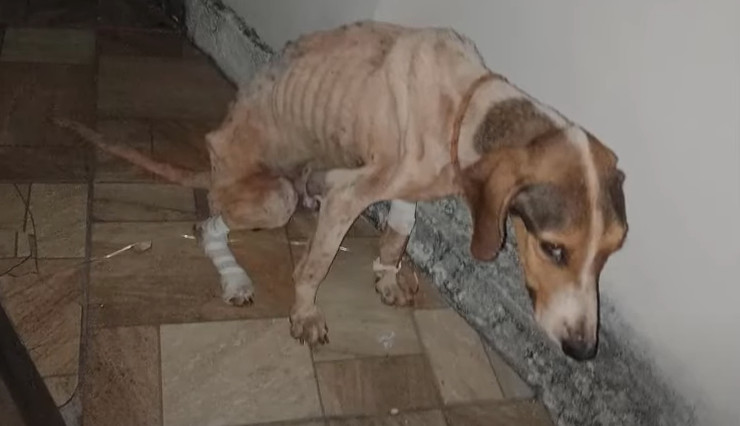
One day, a passerby came across the helpless Bento—tied up, weakened to the point of being unable to growl for help. The person immediately untied the knot and took the dog into his care. Bento, though physically exhausted, briefly regained a glimmer of life in his eyes; he tried to walk, but collapsed from exhaustion after a few steps.
After being taken to the vet, recovery began: w.o ∪nd care, nutrition, and therapy gradually restored his strength and trust in people. Traces of the past began to fade from the w.o ∪nds of his body and soul, and with them, his curiosity about the world returned.
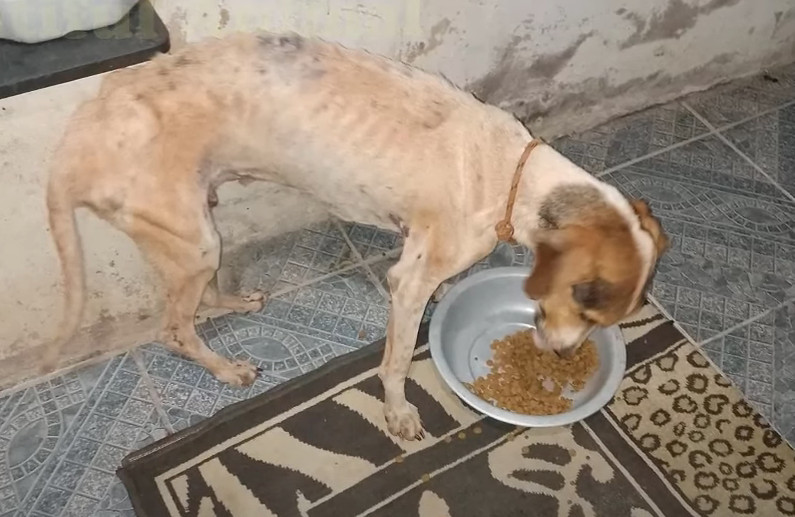
Through patient rehabilitation and care, Bento found a family who gave him a permanent home. From hunger and loneliness, comfort and security grew—now he experiences a warmth he never knew before.
Conclusions—what Bento’s story teaches us:
Empathy can save lives: the quick reaction of a bystander saved Bento from d.e αth.
Rehabilitation is a process: both physical and emotional w.o ∪nds require time and systematic care.
A second chance is possible: by adopting and caring, dignity can be restored to a harmed animal.
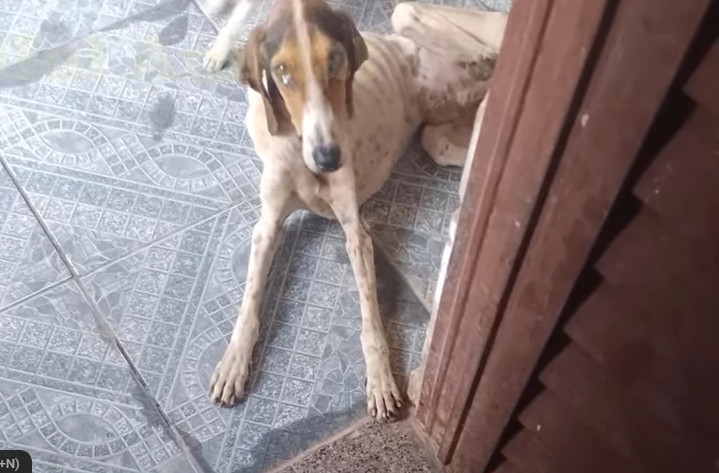
This transformation demonstrates the remarkable resilience of dogs and the crucial role that human kindness plays. Thanks to the care of strangers, Bent’s fate has changed dramatically—today he has a permanent home, food, and a family that cares for his health and happiness.
Summary: Bent’s story is a reminder that the intervention of one person can spark a chain of positive change. From abandonment and s.u ƒfering, a chance for a new life—full of safety, love, and dignity—was born.
➕