
- 🧩 Unlock the Power of Your Brain with Mind Games
- 🧠 Why Puzzles Are Essential for Cognitive Growth
- 💆♀️ The Psychological Benefits of Puzzles
- 🧩 Different Types of Puzzles — and How They Benefit Your Brain
- 🤝 The Social Side of Puzzles
- 🌱 How Puzzles Support Overall Well-Being
- 💡 Final Thought: Make Puzzles Your Brain’s Best Friend
🧩 Unlock the Power of Your Brain with Mind Games
In today’s world, where distractions are everywhere, sitting down with a puzzle offers more than just a moment of fun — it’s a workout for your brain.
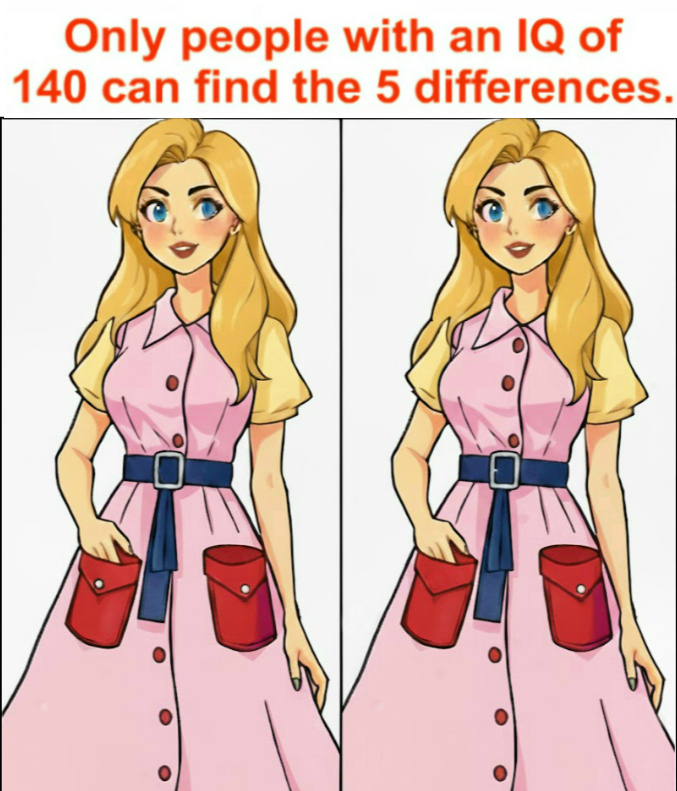
Whether it’s a classic crossword, a tricky jigsaw, or a spot-the-difference challenge, puzzles stimulate the mind, boost memory, and sharpen focus.
Let’s explore why puzzles aren’t just entertaining — they’re essential for cognitive health, mental well-being, and even social connection. 💭
🧠 Why Puzzles Are Essential for Cognitive Growth
1️⃣ Sharpen your problem-solving skills
Every puzzle is a mini-adventure in critical thinking. It’s not just about filling blanks — it’s about decoding clues, spotting patterns, and navigating complexity.
This trains your brain to analyze, reason, and make smarter decisions in real life.
2️⃣ Improve memory and concentration
Puzzles demand your full attention. Remembering shapes, numbers, or visual details helps your brain practice memory and focus.
Over time, this enhances your ability to stay attentive — at work, at home, or while learning something new.
3️⃣ Boost cognitive flexibility
Some puzzles require changing strategies or approaching problems from new angles.
That flexibility keeps your mind adaptable — a skill that’s invaluable in our fast-changing world. 🌍
💆♀️ The Psychological Benefits of Puzzles
🕊️ Reduce stress through focus
When you dive into a puzzle, daily worries fade away.
That focused attention creates a calming, almost meditative rhythm that helps your mind relax and recharge.
🏆 The joy of accomplishment
Finishing a puzzle triggers a rush of dopamine — the brain’s “feel-good” chemical.
That small victory fills you with pride, motivation, and confidence to take on new challenges.
🧩 Different Types of Puzzles — and How They Benefit Your Brain
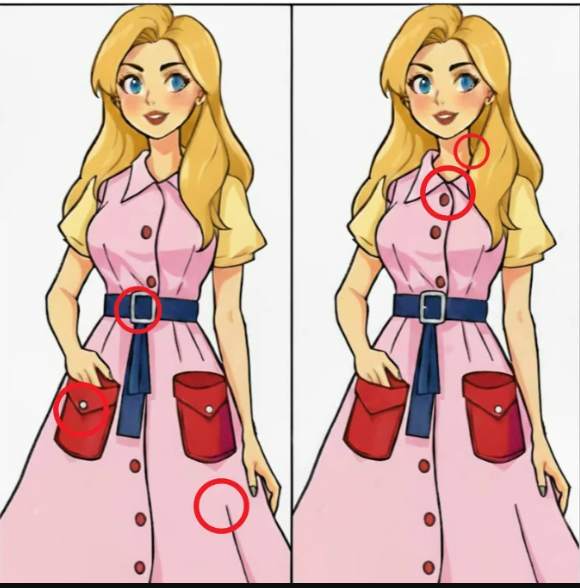
👁️ Visual puzzles & spot-the-difference games
They sharpen your observation skills, helping you notice small details and improve patience.
🧮 Logic and number puzzles (like Sudoku)
They strengthen analytical thinking and pattern recognition — perfect for structured problem solving.
🧱 Jigsaw puzzles
They enhance spatial reasoning and memory by connecting pieces into a bigger picture — literally and mentally.
🔤 Crosswords & word games
Ideal for language lovers! They enrich vocabulary, boost verbal agility, and spark creative associations.
🤝 The Social Side of Puzzles
Teamwork & collaboration
Working on puzzles together builds communication and trust.
You share ideas, divide tasks, celebrate small wins — and create lasting bonds with friends or family. 💬
Friendly competition
Puzzle challenges can bring excitement and motivation, turning a mental workout into a fun social event. 🎉
🌱 How Puzzles Support Overall Well-Being
🧓 Keep your brain young
Solving puzzles regularly helps slow cognitive decline and keeps your mind sharp as you age.
🧘 Build patience and focus
Puzzles teach you to slow down, think deeply, and stay calm — skills that improve work performance, relationships, and personal growth.
💡 Final Thought: Make Puzzles Your Brain’s Best Friend
Puzzles aren’t just a pastime — they’re a mental gym, a stress reliever, and a social connector.
They sharpen memory, train problem-solving, and fill your day with joy and achievement.
So next time you want to relax with purpose, grab a puzzle.
Your brain will thank you for the workout — and your heart for the happiness it brings. ❤️🧩
🟢➕