It started as a normal evening.
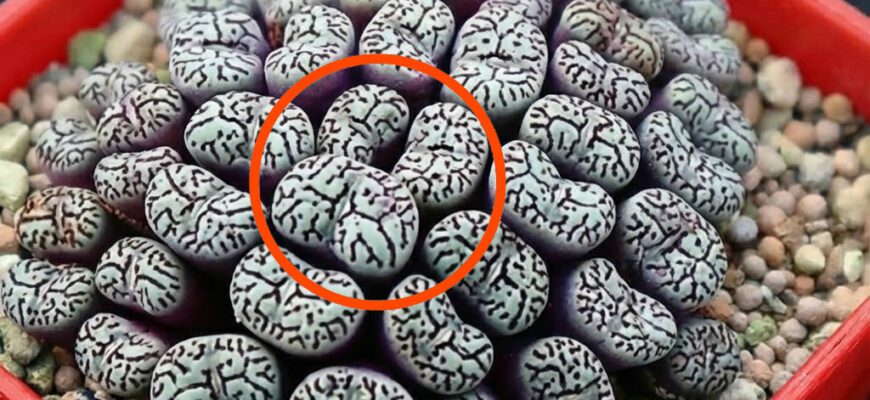
A teenage girl was cleaning her room when she noticed something odd under her bed — a small red container she swore had never been there before. Inside were dozens of strange, grayish “eggs,” tightly packed together, each one covered in dark, vein-like patterns.
They didn’t look natural.
They didn’t look s.a ƒe.
At first, she thought it was a prank. Then fear crept in. The shapes were too perfect. Too organic. Almost alive.
She called her parents.
Within minutes, the entire family was standing in the bedroom, staring in silence. Someone whispered that they looked like insect eggs. Someone else said they resembled something alien. Panic escalated quickly.
What if they hatched?
What if something was living in the house without them knowing?
The parents made a decision they never imagined making: everyone packed a bag and left the house for the night.
Photos were sent to friends. Messages flooded group chats. No one could agree on what they were — parasites, eggs, fungus, something d.a חgerous?
The next morning, a specialist was contacted.
And then… the truth came out.
The te.r ŕifying “eggs” were not eggs at all.
They were a rare succulent plant — Conophytum wittebergense, a tiny desert plant from the Aizoaceae family, commonly known as “living stones.” Each strange shape was a pair of fleshy leaves, evolved to mimic rocks so perfectly that predators avoid them.
Completely harmless.
Completely alive — but in the most unexpected way.
The family returned home, half relieved, half embarrassed, and finally able to laugh at what had felt like a nightm.a ŕe only hours before.
What they feared was never a th.r ℮at.
Just nature, being incredibly convincing.
➕