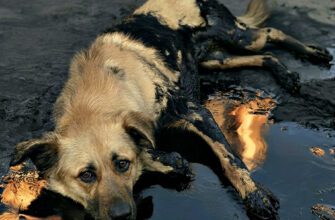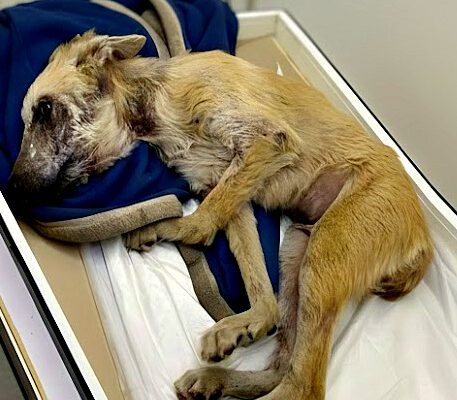
Amid the hustle and bustle of the city, on a crowded street, I found a small dog lying lifel.e śs on a discarded mattress. The freezing cold, approaching freezing, pierced his small frame, and his front legs were so weakened that he couldn’t stand or search for food.
Hunger and exhaustion can sap even the strongest will; that day felt like a final e.n đ.
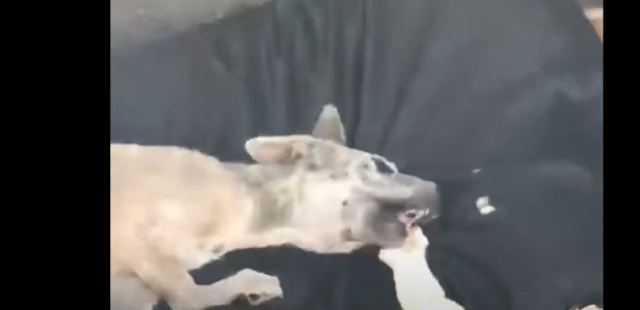
I gave him a piece of bread—the way he devoured that meager morsel looked as if it were the ultimate feast of his life. That image seared itself deep into my heart; I knew I couldn’t leave him.
I wrapped him in a warm blanket and took him immediately to the clinic. An examination revealed serious problems: neurological problems and a mass pressing against his neck. Additionally, an extreme calcium deficiency was diagnosed, explaining the weakness in his limbs.
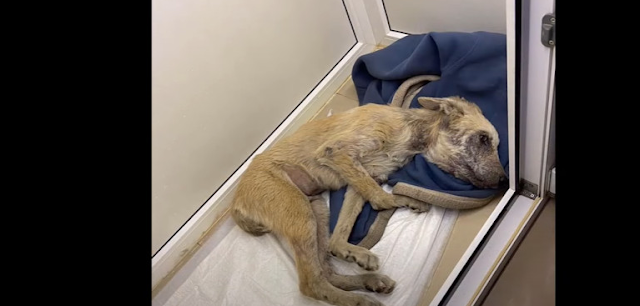
The prognosis was guarded, but I refused to give up. My vet and I developed an intensive treatment plan—medication, supplementation, and rehabilitation—and then I took him home to begin his recovery.
Immediate key actions:
Stabilization and treatment of deficiencies
Neurological diagnosis and surgical plan
Home care and regular rehabilitation
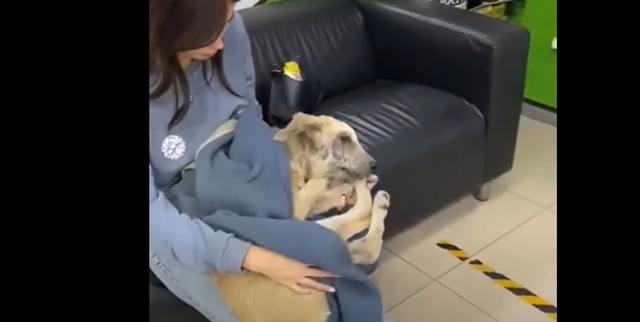
The recovery process was slow. Zippo spent most of his time resting; his tiny body gradually regained its strength. Each day brought small progress, and I learned to adapt my care to his needs.
During this time, the bond that had formed between him and my other dogs proved invaluable. The older dogs demonstrated their protective instincts—playing gently with him, guarding him, and offering reassurance.
Love and companionship can be medicine as effective as medication.
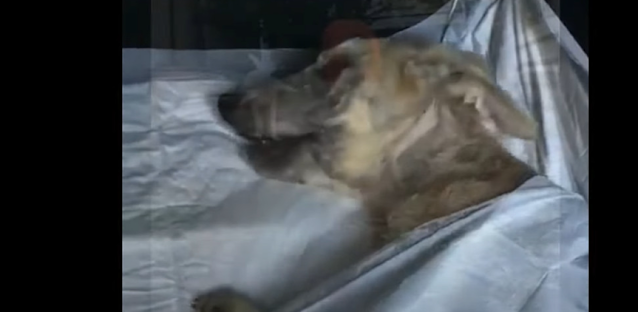
After months of preparation, the time came for surgery—removal of the tumor and procedures to strengthen the limbs. The surgery was successful, and then regular physical therapy began.
Stages of recovery:
Surgery and postoperative follow-up
Series of rehabilitation sessions
Gradual reintroduction of activity and independent exercise
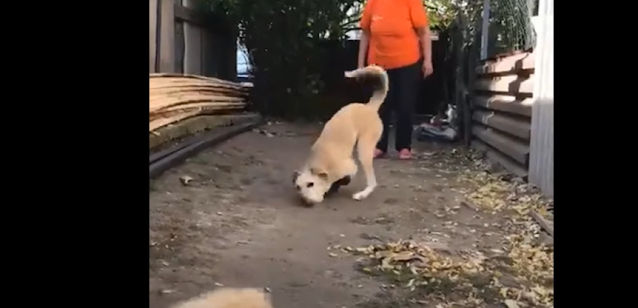
Thanks to consistent work on his motor skills and daily exercises, Zippo gained increasing mobility. Six months after being found on the street, a moment none of us will forget arrived—his first independent walk.
The sight of him taking his first steps was a combination of relief, pride, and emotion. It was a materialization of hope: a dog that had recently been on the brink of d.e αth began to run and play like a healthy, joyful companion.
From helplessness to carefree play—Zippo’s story is proof that patience and dedication change fate.
Today, Zippo lives fear.l ℮ssly, his eyes sparkling with happiness, and every wagging tail a reminder of the journey he has traveled. His transformation shows that even in the darkest moments, a glimmer of hope can be found—if someone takes responsibility and takes the time to help.
Summary
Zippo’s story teaches several simple truths:
Immediate intervention saves lives,
Comprehensive veterinary care and rehabilitation are essential for serious in.j ∪ries,
Emotional support and the presence of other animals accelerate recovery.
Conclusion: Second chances exist—all it takes is willingness, knowledge, and determination to change the fate of an abandoned animal.➕